

How Do RFID Key Fobs Enhance Security and Convenience?
Summary: RFID key fobs have become a pivotal tool for modern access control systems, offering a blend of security, convenience, and efficiency. This article explores how RFID key fobs work, their applications, benefits, and considerations for choosing the right solution for your needs. Whether you are managing a residential complex, corporate office, or a specialized facility, understanding RFID key fobs can help optimize security while streamlining access management.
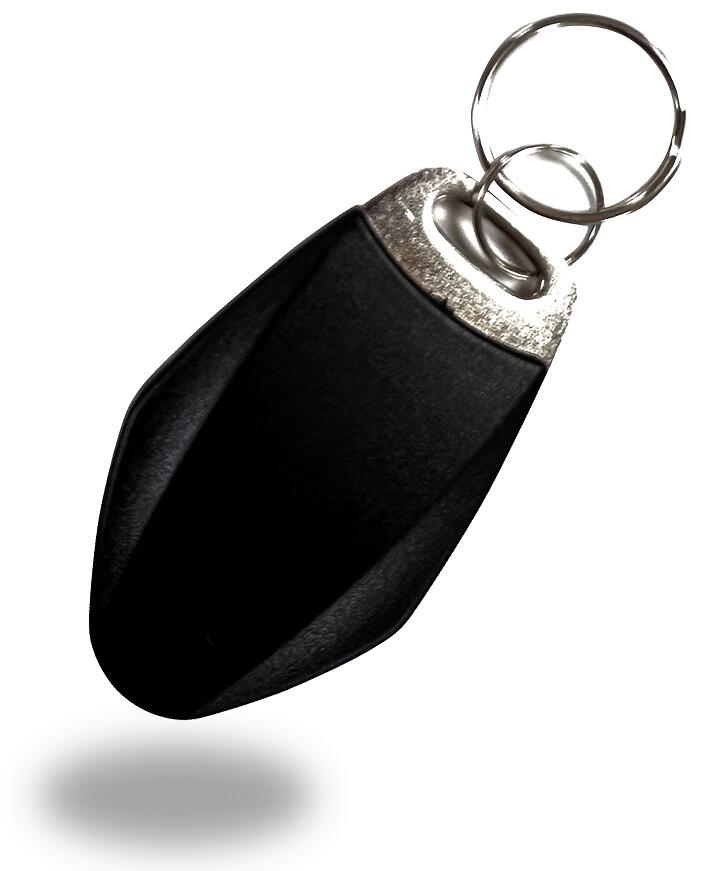
Table of Contents
- What Are RFID Key Fobs?
- How Do RFID Key Fobs Work?
- Applications of RFID Key Fobs
- Benefits of Using RFID Key Fobs
- Choosing the Right RFID Key Fob
- FAQ
What Are RFID Key Fobs?
RFID key fobs are compact devices embedded with radio-frequency identification (RFID) technology. These small electronic tags communicate with access control readers via electromagnetic fields, allowing secure and contactless entry. Unlike traditional keys, RFID key fobs eliminate the need for mechanical unlocking, reducing wear and tear and improving overall convenience.
- Compact and portable
- Programmable for multiple users
- Durable and resistant to physical damage
How Do RFID Key Fobs Work?
RFID key fobs function using radio waves to transmit data between the fob and a reader. Here’s a step-by-step breakdown:
- Activation: The user brings the fob near an RFID reader.
- Signal Transmission: The fob emits a radio signal containing its unique identifier.
- Verification: The reader receives the signal and communicates with a central control system to validate access permissions.
- Access Granted/Denied: If authorized, the system unlocks the door; if not, access is denied.
There are two main types of RFID key fobs:
| Type | Description | Typical Use |
|---|---|---|
| Low-Frequency (LF) | Operates at 125 kHz with a short reading range. | Parking lots, residential entry points. |
| High-Frequency (HF/NFC) | Operates at 13.56 MHz with moderate reading range and secure data encryption. | Corporate offices, secure facilities. |
Applications of RFID Key Fobs
RFID key fobs have wide-ranging applications across different sectors:
- Residential Buildings: Simplify access for tenants and enhance security.
- Corporate Offices: Enable secure employee entry and track attendance.
- Educational Institutions: Control access to classrooms, labs, and dormitories.
- Healthcare Facilities: Restrict sensitive areas like pharmacies and record rooms.
- Transportation and Parking: Automate parking lot entry and reduce congestion.
Benefits of Using RFID Key Fobs
Investing in RFID key fobs can transform your access control strategy. Key advantages include:
- Enhanced Security: Unique identifiers prevent unauthorized duplication.
- Convenience: Quick, contactless access without physical keys.
- Durability: Resistant to environmental wear, scratches, and water exposure.
- Scalability: Easily manage multiple users or access points.
- Monitoring and Reporting: Track usage history for security audits.
Choosing the Right RFID Key Fob
When selecting an RFID key fob, consider the following factors:
| Factor | Considerations |
|---|---|
| Frequency Type | Choose between LF and HF depending on range and security needs. |
| Durability | Opt for materials that withstand daily wear and environmental exposure. |
| Compatibility | Ensure the fob works with your existing access control system. |
| Programmability | Select fobs that allow easy reprogramming for multiple users. |
| Cost | Balance between quality, functionality, and budget. |
FAQ
Q1: Can RFID key fobs be cloned?
A1: High-quality RFID key fobs with encryption reduce the risk of cloning, but always implement multi-layered security measures.
Q2: How long do RFID key fobs last?
A2: Typically, they last several years under normal usage, depending on material quality and environmental exposure.
Q3: Can a single fob be used for multiple doors?
A3: Yes, RFID key fobs can be programmed to allow access to multiple entry points based on user permissions.
Q4: Are RFID key fobs compatible with mobile devices?
A4: Some HF/NFC fobs can integrate with smartphone access apps, providing a hybrid solution for convenience.
Lex offers a complete range of RFID key fobs designed for secure, efficient, and reliable access control. Explore our products and solutions for your facility by visiting our RFID Key Fobs page. For inquiries or to discuss your specific access control needs, contact us today and enhance your security infrastructure effortlessly.
Send Inquiry




X
We use cookies to offer you a better browsing experience, analyze site traffic and personalize content. By using this site, you agree to our use of cookies.
Privacy Policy