

How Can RFID Blocking Card Protect Your Digital Security?
Abstract
As contactless payment systems and RFID-enabled cards become more common, concerns about digital theft and unauthorized scanning have increased significantly. An RFID Blocking Card is a compact security tool designed to prevent electronic pickpocketing by disrupting RFID signals. This article explains how RFID Blocking Cards work, why they are essential in modern daily life, and how they help protect personal financial data from potential threats. It also explores practical benefits, comparisons, and buying considerations to help users make informed decisions.
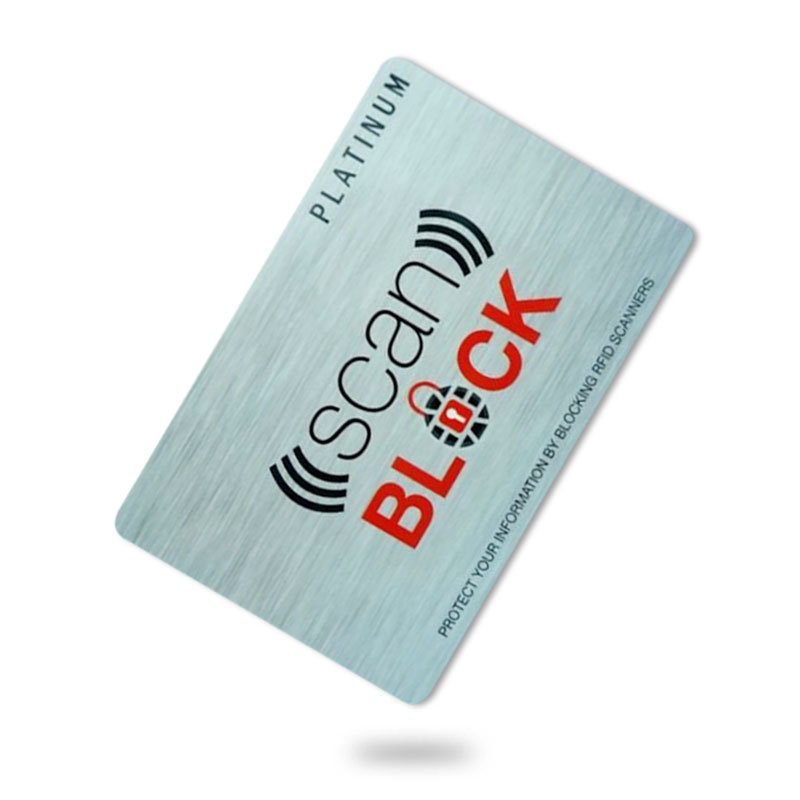
Table of Contents
1. The Rising Problem of RFID Theft
In modern cities, most credit cards, debit cards, passports, and identification documents now contain RFID (Radio Frequency Identification) chips. These chips allow fast, contactless transactions. However, they also introduce a security vulnerability: unauthorized scanning.
Criminals can use handheld RFID readers to capture sensitive data from cards without physical contact, often without the victim noticing. This is commonly referred to as "electronic pickpocketing." As more consumers adopt contactless payment systems, the need for protective solutions has grown rapidly.
2. What is RFID Technology?
RFID (Radio Frequency Identification) is a wireless communication technology that uses electromagnetic fields to automatically identify and track tags attached to objects. It is widely used in banking cards, access control systems, transportation cards, and identity documents.
- Passive RFID: Powered by scanner signals, commonly used in credit cards.
- Active RFID: Has its own power source and longer range.
- Hybrid systems: Combine multiple features for enhanced functionality.
While RFID enables convenience, it also opens the door for unauthorized data interception if not properly protected.
3. How RFID Blocking Cards Work
RFID Blocking Cards are designed using electromagnetic shielding materials that interfere with radio waves. When placed in a wallet or cardholder, they create a protective barrier around nearby RFID-enabled cards.
The blocking mechanism works in three key steps:
- Signal Disruption: The card emits a frequency that interferes with RFID scanners.
- Field Shielding: It forms a protective electromagnetic zone.
- Data Protection: Prevents unauthorized access to chip data.
Unlike bulky RFID-blocking wallets, RFID Blocking Cards are ultra-thin and can fit seamlessly into any wallet, purse, or cardholder.
4. Key Benefits of RFID Blocking Cards
- Enhanced Security: Protects sensitive financial and identity information.
- Portable Design: Slim and lightweight, no added bulk.
- Universal Compatibility: Works with most RFID-enabled cards.
- Cost-Effective Protection: Affordable compared to replacing stolen data.
- Easy to Use: No setup or maintenance required.
For everyday users, these benefits provide peace of mind in crowded places such as public transport, shopping malls, and airports.
5. RFID Protection Solutions Comparison
| Feature | RFID Blocking Card | RFID Wallet | Aluminum Sleeve |
|---|---|---|---|
| Portability | Very High | Medium | Low |
| Ease of Use | Very Easy | Easy | Moderate |
| Cost | Low | Medium | Low |
| Aesthetic Impact | None | Moderate | High Bulk |
| Protection Level | High | High | Medium |
6. How to Choose the Right RFID Blocking Card
Selecting the right RFID Blocking Card depends on material quality, durability, and shielding effectiveness. Here are key considerations:
- Material: Look for advanced composite or metal-infused layers.
- Frequency Coverage: Ensure compatibility with 13.56 MHz (standard RFID frequency).
- Durability: Waterproof and scratch-resistant designs last longer.
- Certification: Verified shielding performance is a plus.
High-quality RFID protection ensures consistent performance and long-term reliability in daily use.
7. Frequently Asked Questions
Q1: Do RFID Blocking Cards affect my own card usage?
No. They only block external unauthorized scans and do not interfere with legitimate transactions when removed from close shielding proximity.
Q2: How many RFID cards can one blocking card protect?
Typically, one RFID Blocking Card can protect multiple cards within the same wallet.
Q3: Do I still need an RFID wallet if I have a blocking card?
Not necessarily. A blocking card provides a more flexible and lightweight alternative.
Q4: How long does an RFID Blocking Card last?
Most high-quality cards are designed to last several years without performance degradation.
Q5: Is RFID skimming really a threat today?
Yes. Although not extremely common, the risk exists in crowded public environments where close proximity scanning is possible.
8. Conclusion & Contact Information
RFID Blocking Cards provide a simple yet highly effective solution to protect personal data in an increasingly contactless world. Their lightweight design, ease of use, and strong shielding capability make them an essential everyday security accessory.
For individuals and businesses seeking reliable RFID protection solutions, product quality and manufacturing expertise matter greatly.
Shenzhen Lex Smart Co.,Ltd. specializes in advanced RFID protection technologies and secure smart card solutions designed for global users.
If you are looking for trusted RFID protection solutions or wholesale cooperation opportunities, contact us today to get professional support and tailored recommendations.
Send Inquiry




X
We use cookies to offer you a better browsing experience, analyze site traffic and personalize content. By using this site, you agree to our use of cookies.
Privacy Policy